Thermoplastics vs. Thermosets: Beginner’s Guide to Differences

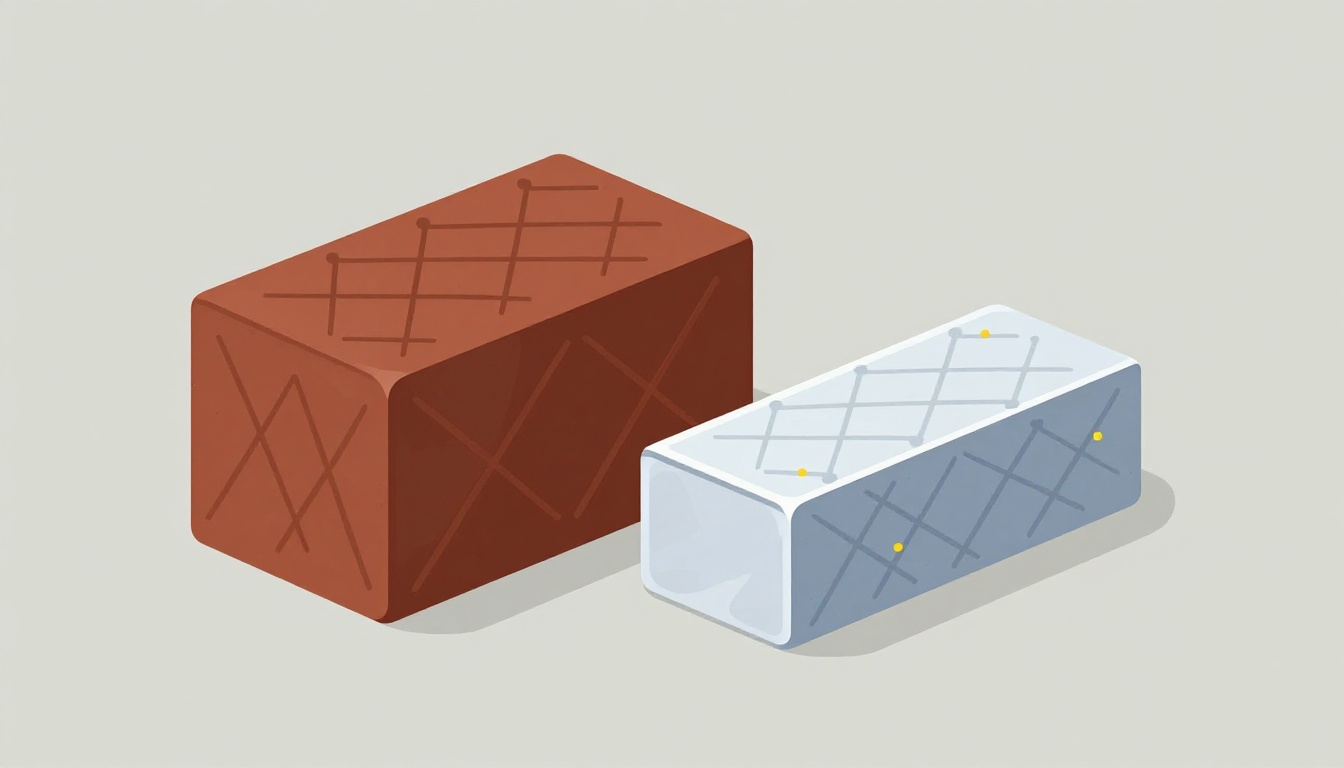
Ever grabbed a recyclable water bottle that you can melt down and reshape? That’s a thermoplastic in action. In contrast, your kitchen countertop stays rock-solid forever, thanks to a thermoset material. Thermoplastics soften when heated, so you can remold them over and over, much like wax. Thermosets, however, harden permanently during heating and won’t melt … Read more

How Polymerization Turns Monomers into Plastics and Resins

You reach for your plastic water bottle during a workout or slip your phone into its tough case. These items seem simple, but they start as tiny molecules called monomers. Through a process called polymerization, those monomers snap together like Lego bricks. This polymerization process links monomers into long, strong chains that form the plastics … Read more

How Cross-Linking Transforms Elasticity in Rubber and Synthetic Fibers

Stretch a rubber band. It snaps back every time. But what makes it do that? Elasticity means a material stretches under force and returns to its original shape. Rubber and synthetic fibers owe their bounce to cross-linking. These are chemical bridges that connect long polymer chains. Without them, raw rubber stays sticky and deforms permanently. … Read more

Biodegradable Plastics: How Microbes Break Down Polymers

You’ve seen those heartbreaking images: landfills overflowing with plastic waste that lingers for centuries, oceans choked with bottles and bags harming sea life. It’s a massive problem, and traditional plastics just pile up. But biodegradable plastics offer real hope; they’re made from plants or other natural sources, so nature can break them down safely. These … Read more

How Alloying Changes the Properties of Pure Metals: Steel vs. Iron

Pure iron built early tools and weapons. Yet today, steel dominates bridges, cars, and skyscrapers. What’s the difference? Alloying changes the properties of pure metals by mixing in small amounts of other elements. Think of it like adding spices to plain dough. Iron alone bends and rusts too easily. Steel, iron plus carbon and more, … Read more

Crystalline vs. Amorphous Solids: A Beginner’s Guide

Imagine table salt forming perfect cubes in your shaker. Now picture taffy stretching without a clean break. These everyday items show the big split between crystalline solids and amorphous solids. You see them everywhere. Salt crystals sparkle on food. Glass windows stay smooth and clear. Yet they behave so differently under heat or pressure. One … Read more

The Essential Role of Semiconductors in Modern Electronic Circuits

Your smartphone lights up with a single tap. It processes photos, runs apps, and streams video. None of that happens without semiconductors. These materials partly conduct electricity. They sit between full conductors like copper and insulators like plastic. Semiconductors control electric signals in circuits. They make modern electronics possible. This post covers the basics, key … Read more

How Work Hardening Boosts Durability in Metal Components

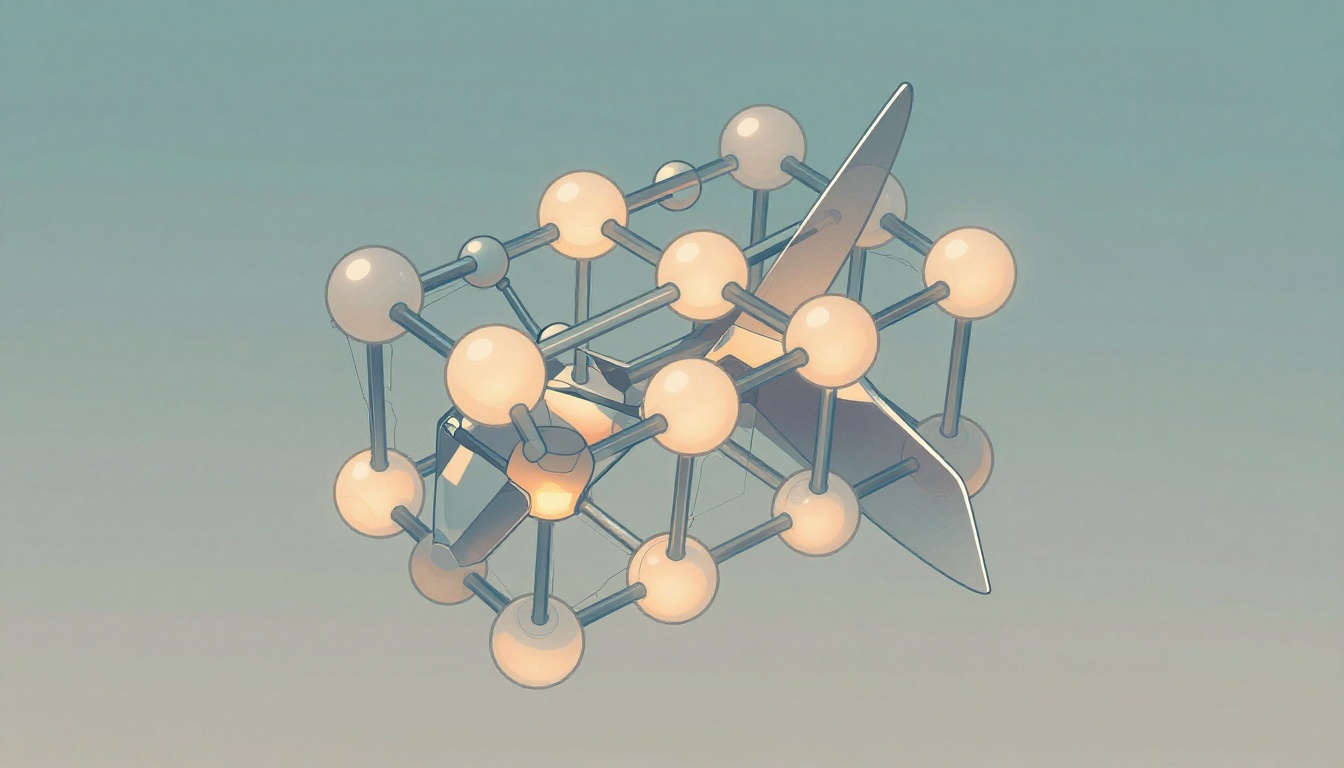
Picture this: you’re grinding through a rugged mountain bike trail, chain whipping under max tension. It flexes, absorbs punishment, but refuses to snap or stretch out. That quiet heroics comes from work hardening. This process toughens metal components by deforming them at room temperature. No ovens required. Instead, the metal’s internal structure shifts; dislocations pile … Read more