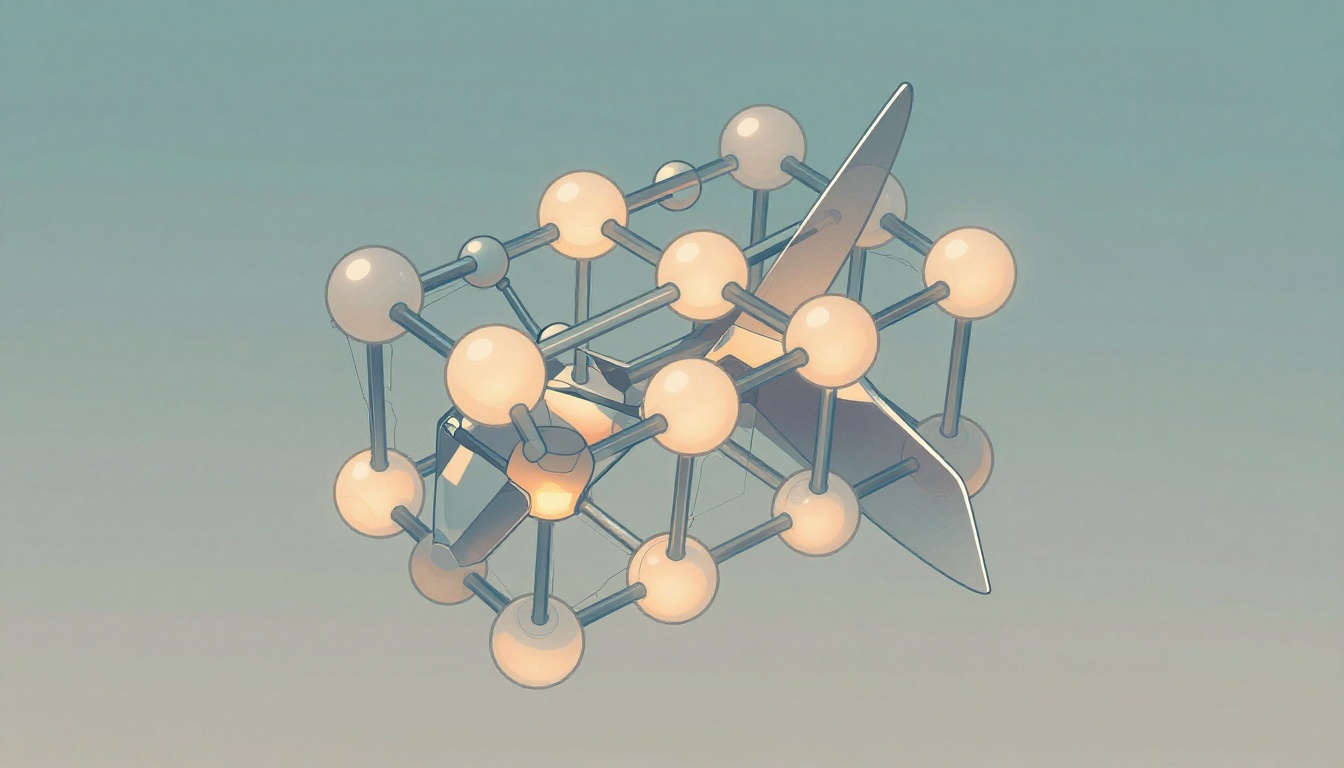
How Alloying Changes the Properties of Pure Metals: Steel vs. Iron
Pure iron built early tools and weapons. Yet today, steel dominates bridges, cars, and skyscrapers. What’s the difference? Alloying changes the properties of pure metals by mixing in small amounts of other elements. Think of it like adding spices to plain dough. Iron alone bends and rusts too easily. Steel, iron plus carbon and more, … Read more

Crystalline vs. Amorphous Solids: A Beginner’s Guide

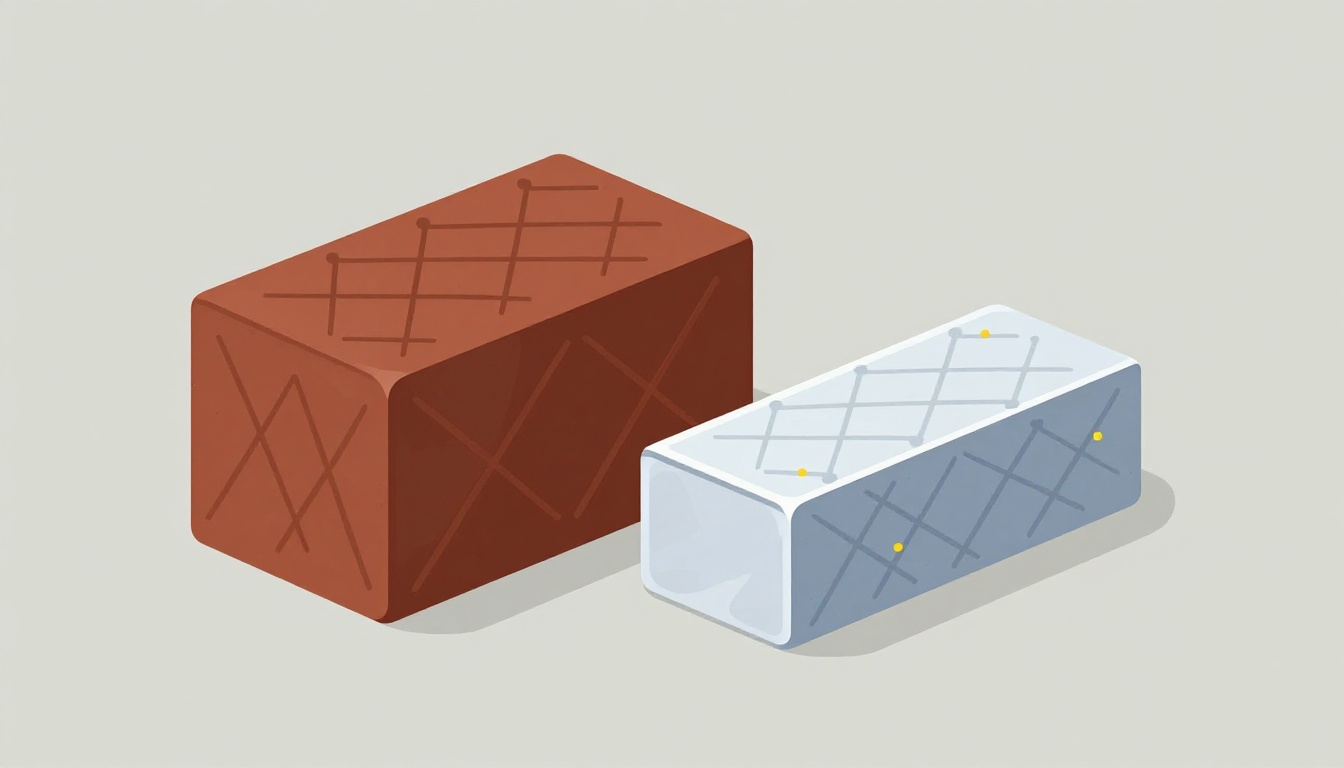
Imagine table salt forming perfect cubes in your shaker. Now picture taffy stretching without a clean break. These everyday items show the big split between crystalline solids and amorphous solids. You see them everywhere. Salt crystals sparkle on food. Glass windows stay smooth and clear. Yet they behave so differently under heat or pressure. One … Read more

The Essential Role of Semiconductors in Modern Electronic Circuits

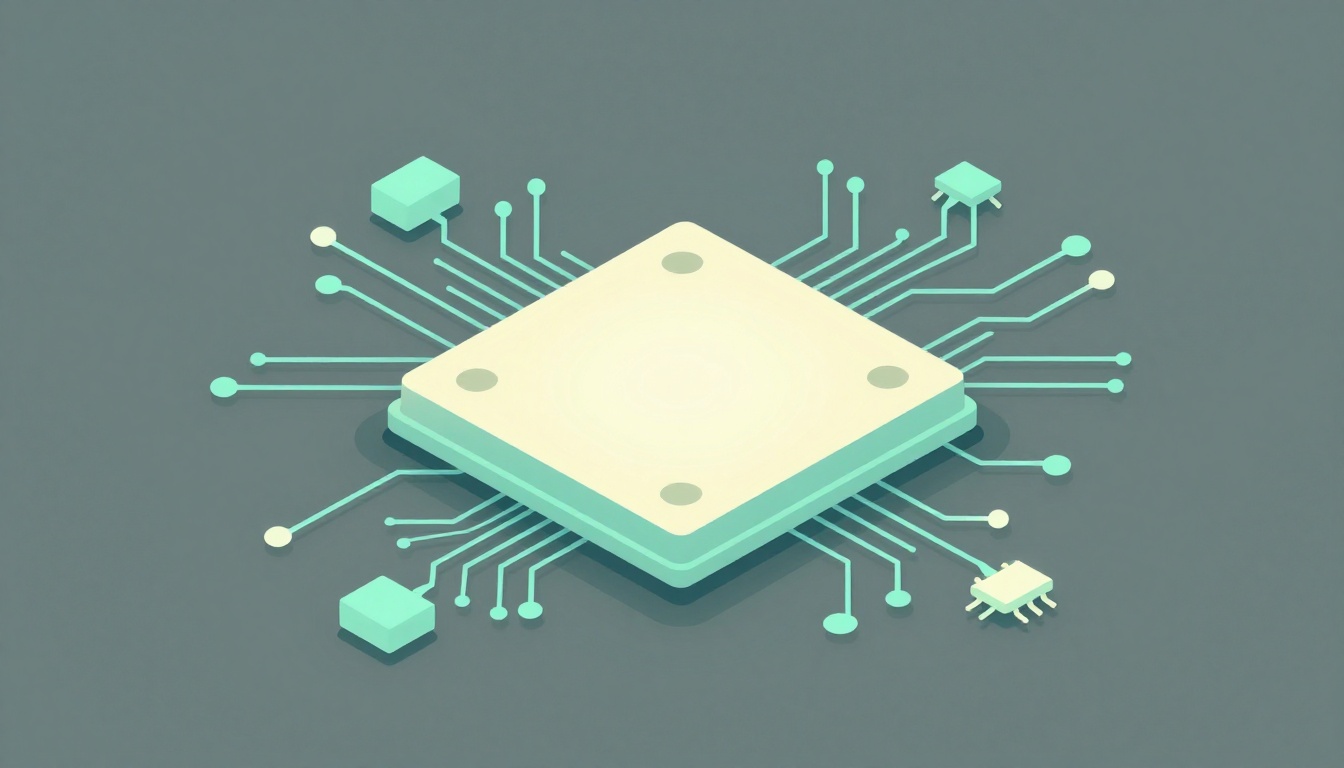
Your smartphone lights up with a single tap. It processes photos, runs apps, and streams video. None of that happens without semiconductors. These materials partly conduct electricity. They sit between full conductors like copper and insulators like plastic. Semiconductors control electric signals in circuits. They make modern electronics possible. This post covers the basics, key … Read more

How Work Hardening Boosts Durability in Metal Components

Picture this: you’re grinding through a rugged mountain bike trail, chain whipping under max tension. It flexes, absorbs punishment, but refuses to snap or stretch out. That quiet heroics comes from work hardening. This process toughens metal components by deforming them at room temperature. No ovens required. Instead, the metal’s internal structure shifts; dislocations pile … Read more