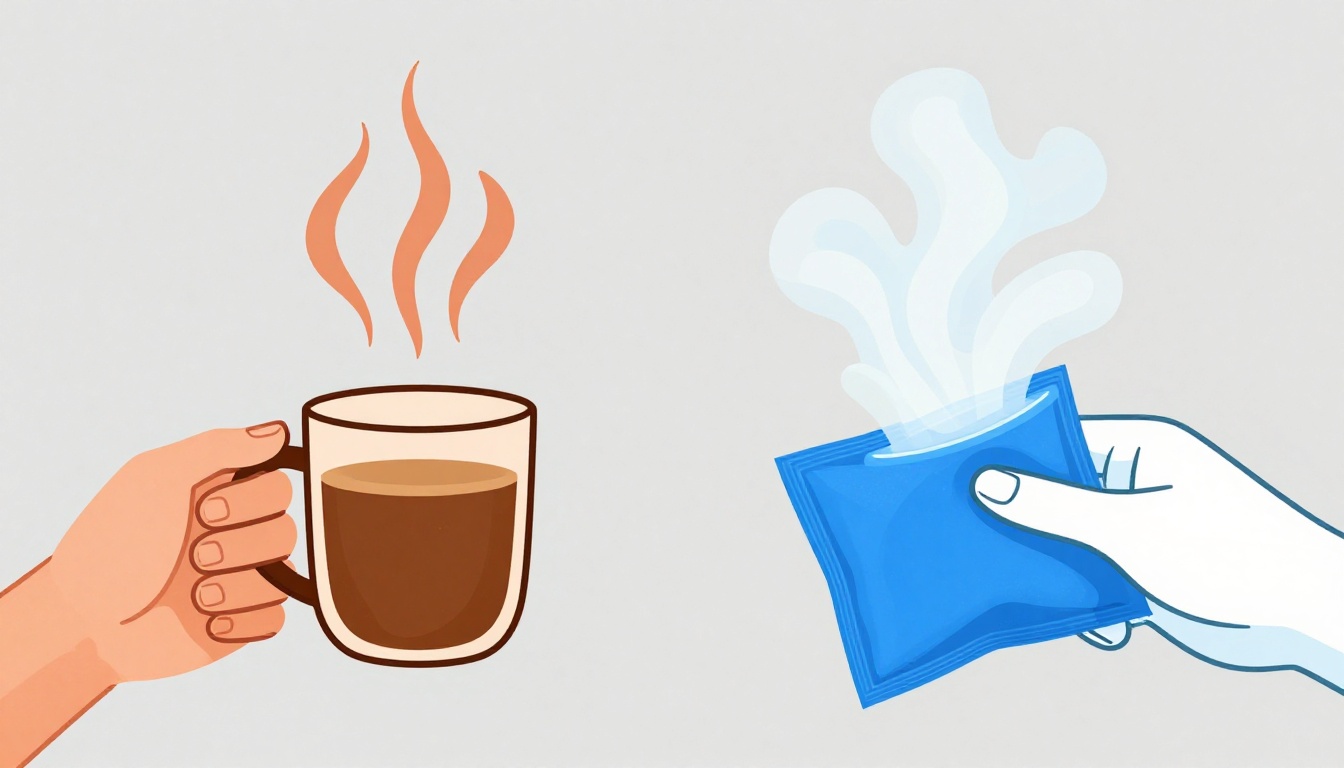
You grab a hot coffee from the kitchen counter. It warms your hands right away. Or you crack open an instant cold pack for a sprained ankle, and it chills your skin in seconds.
These moments show endothermic vs exothermic reactions at work. Exothermic reactions release heat and make things warmer. Endothermic ones absorb heat and cool surroundings. Spotting them turns science into something you see and feel every day. It explains why your drink stays hot or your body cools off after a run.
This guide breaks it down. You’ll learn the basics first. Then explore common examples at home. Finally, pick up simple tests to identify them yourself.
Grasp the Basics: What Exothermic and Endothermic Reactions Really Mean
Chemical reactions swap energy. Exothermic ones give off heat. They warm the air around them. Endothermic reactions pull in heat. They make nearby areas cooler.
Think of exothermic like a generous friend handing out warmth. Endothermic acts more like a sponge soaking it up. The big clue stays the same. Check the temperature change.
Exothermic Reactions: The Heat Releasers
These reactions boost temperature. You often see light, sound, or flames too. Bonds in molecules break and reform. That releases stored energy as heat.
Combustion fits here. Fuel burns with oxygen. It pumps out warmth fast. Neutralization does the same. Acids mix with bases and heat up.
Surroundings feel it right away. A container warms in your hand. That’s your first sign.
Endothermic Reactions: The Heat Absorbers
Temperature drops with these. The area chills quickly. Energy goes into breaking bonds. More gets used than released.
Dissolving certain salts shows this. Evaporation pulls heat too. No flames or bubbles usually. Just a cold sensation.
You notice the change on skin or nearby objects. It contrasts sharp with exothermic heat.
Spot Exothermic Reactions in Your Daily Routine
Exothermic reactions pop up often. They heat your meals or soothe aches. Pay attention to the warmth. It confirms what’s happening.
Start close to home. Feel the effects yourself. Safety comes first. Use gloves for hot items.
Burning a Match or Campfire Flames
Strike a match. It flares up hot. Fuel reacts with oxygen. Heat, light, and gases rush out.
Your fingers sense the warmth inches away. Campfires work the same. Logs burn and toast marshmallows. The fire warms everyone nearby.
Cooks use this over stoves. It heats pots fast. Always keep distance from flames.
Hot Packs for Sore Muscles
Grab a hot pack from the drawer. Squeeze it. Chemicals mix inside a bag.
Heat builds in seconds. It lasts 30 minutes or more. Hold it against your neck. The warmth spreads deep.
Supermarkets sell these everywhere. They ease stiff shoulders after workouts. The pack stays toasty without fire.
Baking Cookies in the Oven
Preheat your oven to 350 degrees. Slide in cookie dough. Sugars and fats react as they bake.
The kitchen fills with sweet smells. Warm air escapes when you open the door. The process releases extra heat overall.
Your home feels cozier. Cookies come out golden. It’s chemistry making treats.
Discover Endothermic Reactions Happening Around You
Endothermic reactions cool things down. They hide in drinks and injuries. Notice the chill. That’s your cue.
These feel refreshing sometimes. Others surprise you. Test them safely at home.
Ice Cubes Melting in Your Glass
Drop ice into warm soda. Cubes start to melt. They absorb heat from the liquid.
Your drink turns cold fast. Bubbles slow as it chills. Taste the difference.
Grab a thermometer if you want proof. The temp drops 10 degrees or more. It happens every summer picnic.
Instant Cold Packs for Bumps and Bruises
Twist the cold pack. Water mixes with ammonium nitrate. It dissolves and pulls heat from your skin.
The bag ices over in moments. Press it on a bump. Numbness sets in quick.
First aid kits stock them. They reduce swelling without a freezer. Shake well before use.
Sweat Evaporating on a Hot Day
Run a mile in the sun. Sweat beads on your forehead. It turns to vapor.
Body heat fuels that change. You cool off as it evaporates. Fans help speed it up.
This keeps athletes safe. No equipment needed. Your skin shows the chill.
Simple Tests to Identify Endothermic vs Exothermic Anywhere
No fancy lab required. Use your senses. Touch, look, and measure. These tricks work on examples above.
Practice often. Results build confidence. Always prioritize safety. Avoid direct contact with unknowns.
The Touch Test: Feel the Temperature Shift
Hold the container lightly. Wait 30 seconds. Does it warm your palm? That’s exothermic.
It cools instead? Endothermic at play. Oven mitts protect from burns. Test hot packs this way.
This method proves reliable. Skin detects changes under five degrees. Quick and free.
Watch for Visual Clues Like Bubbles or Frost
Exothermic reactions bubble or glow. Matches spark. Fires flicker.
Endothermic ones frost up. Cold packs glaze. Ice glasses sweat.
Spot these from afar. No touch needed. They pair well with feel tests.
Use a Basic Thermometer for Proof
Check temp before the reaction starts. Note the number. Start the process.
Read again after one minute. Upward jump means exothermic. Drop signals endothermic.
Kitchen thermometers work fine. Cheap and accurate. Confirms what you sense.
Spotting endothermic vs exothermic reactions sharpens your view of daily life. Exothermic ones heat up with flames or packs. Endothermic cool with ice or sweat. Touch tests and thermometers make it easy.
Try one today. Feel a cold pack or watch ice melt. Share your finds in the comments. What surprised you most?
Your body runs both types. Digestion releases heat. That’s why meals warm you. Science stays close always.